

By Luis Ortega
Walking through many parts of Mexico City, you’re likely to see sidewalks half-taken by street vendors, cars parked where people should walk, and neglected parks in need of care. Yet in many neighborhoods, there’s a quiet transformation unfolding. Residents are reclaiming public spaces — through gardens, festivals, mural projects — to reshape the city into a place for everyone.
The Sidewalk Struggle: Shared Space, Shared Conflict
Sidewalks are more than passages. They’re first impressions, meeting points, a stage for public life. But their use is often contested. Cars, vendors, restaurant seating—each has its claim, paid or not—which can leave pedestrians squeezed or sidelined. Local research describes sidewalks in Mexico City as “hybrid order” spaces, with overlapping norms and inconsistent regulation. Some actors enforce rules, others push limits. The outcome? Unequal experiences of what should be a common good.
Neighborhood Gardens: Growing More Than Plants
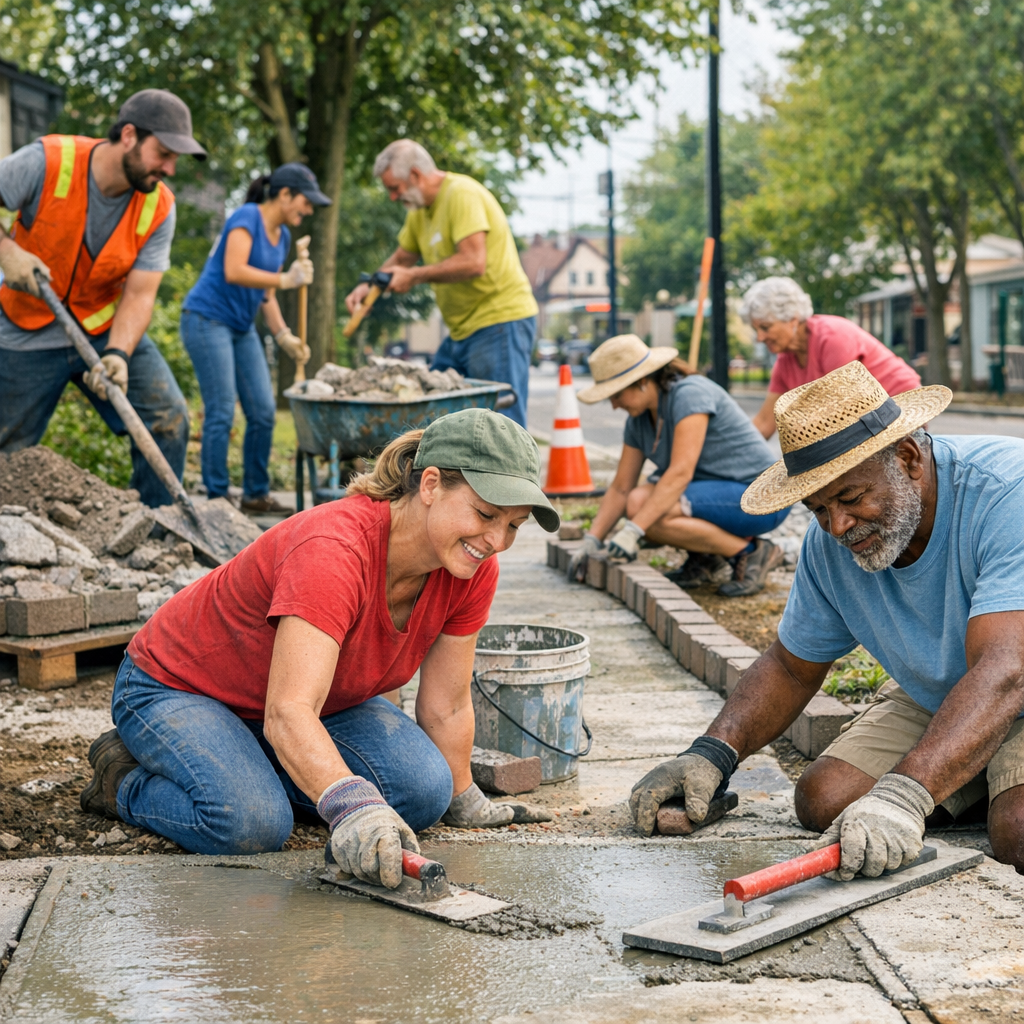
Where infrastructure falls short, neighbors step in. Community gardens — in places like Huerto Tlatelolco or smaller green spots in non-central boroughs — are becoming hubs for social connection. These are small victories of sustainability and dignity: boosting biodiversity, reducing stress, providing fresh produce, and giving people ownership over their immediate environment. In the process they also help repair the gap between city residents and the neglected parcels of urban land.
Who Gets to Use Public Space?
Not everyone experiences public space on equal terms. Mobility data shows that wealth, geography, and access to services matter. Central areas often enjoy better infrastructure, safety, and cultural amenities, while outlying districts struggle. For many, urban life means long walks, multiple buses, and routes with poor lighting or unsafe crossings. A neighbor’s story echoes this: daily, she spends hours commuting from the periphery just to reach her cleaning job in downtown CDMX—only to navigate broken sidewalks and precarious transit on her return.
Moving Forward Together
- Participatory design: When residents are invited to help plan sidewalks, parks, or transit routes, the result tends to be more inclusive and sustainable.
- Clear regulation and enforcement: Rules about street vendors, parking, and pedestrian access need clarity and trust in institutions to be applied fairly.
- Supporting community initiatives: City programs that nourish community gardens, mural projects, local festivals, or youth art create pride and ownership.
- Equitable investment: Prioritize under-resourced neighborhoods for lighting, safety, sidewalks, green spaces — so everyone has fair access regardless of address.
Public space is where citizenship lives. It’s where we meet, walk, gather, celebrate, and contest. If our city’s sidewalks, squares, and gardens reflect all of us—our hopes, struggles, and creativity—then we are building a more just, alive Mexico City. It doesn’t have to wait for grand plans from above. It can start block by block.