

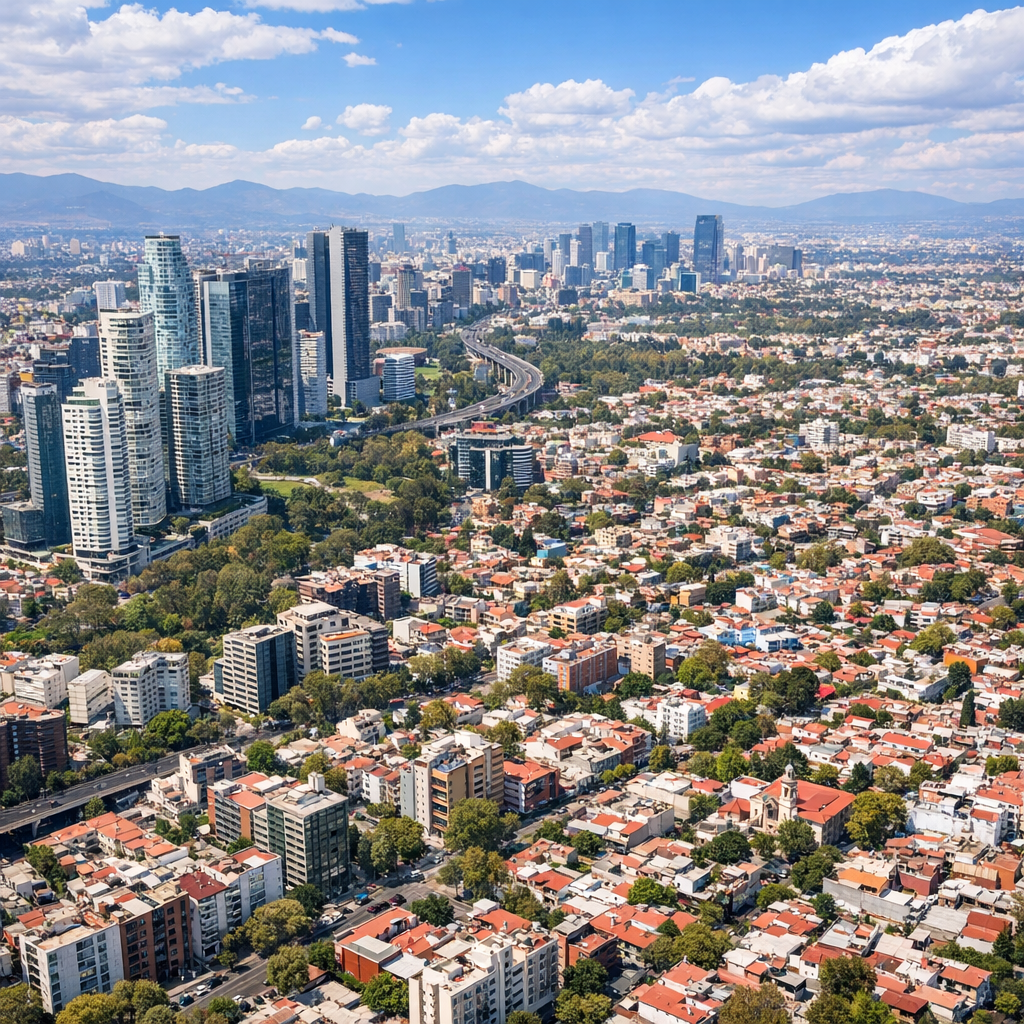
Mexico City’s real estate market is experiencing significant transformations, influenced by rising property values, evolving rental trends, and ongoing urban development projects. Understanding these changes is crucial for residents, investors, and potential homebuyers.
Rising Property Values
As of early 2026, neighborhoods such as Santa María la Ribera, Juárez (near Reforma), and Granada/Ampliación Granada in the Nuevo Polanco area have seen annual property price increases between 7% and 9%, outpacing the citywide average of approximately 5%. This surge is largely due to spillover effects from adjacent prime areas, making these neighborhoods attractive alternatives for buyers seeking affordability without sacrificing amenities.
Rental Market Dynamics
The rental market reflects similar upward trends. By the end of 2025, the average apartment rent in Mexico City was projected to reach about 21,000 pesos per month, marking an increase of approximately 12% to 15% over the previous year. This escalation has been particularly pronounced in central neighborhoods, where rent increases of up to 30% for one-bedroom units have been reported over recent years.
Urban Development Initiatives
To address housing demand, the government has launched ambitious initiatives. In 2025, a plan was announced to construct 186,000 new homes and deliver one million property titles, aiming to alleviate the housing deficit and stimulate economic growth through job creation.
Private developers are also contributing to the city’s evolving skyline. Projects like Avenue Nápoles, an exclusive luxury development in the Nápoles neighborhood, offer high-quality construction and amenities, catering to the demand for upscale residential options.
Challenges and Considerations
Despite these developments, challenges persist. The influx of foreign investors and digital nomads has intensified gentrification, leading to displacement of long-time residents and escalating housing costs. Protests have emerged in response to these pressures, highlighting the need for balanced development that considers the needs of all citizens.
Additionally, Mexico City’s unique geography presents infrastructural challenges. The city is subsiding at an alarming rate—up to 10 inches (25 cm) per year—due to excessive groundwater extraction, affecting buildings and essential services. This phenomenon underscores the importance of sustainable urban planning and resource management.
Conclusion
Mexico City’s real estate market is at a pivotal juncture, characterized by rapid growth and complex challenges. Staying informed about market trends, government initiatives, and infrastructural issues is essential for making informed decisions in this dynamic environment.