

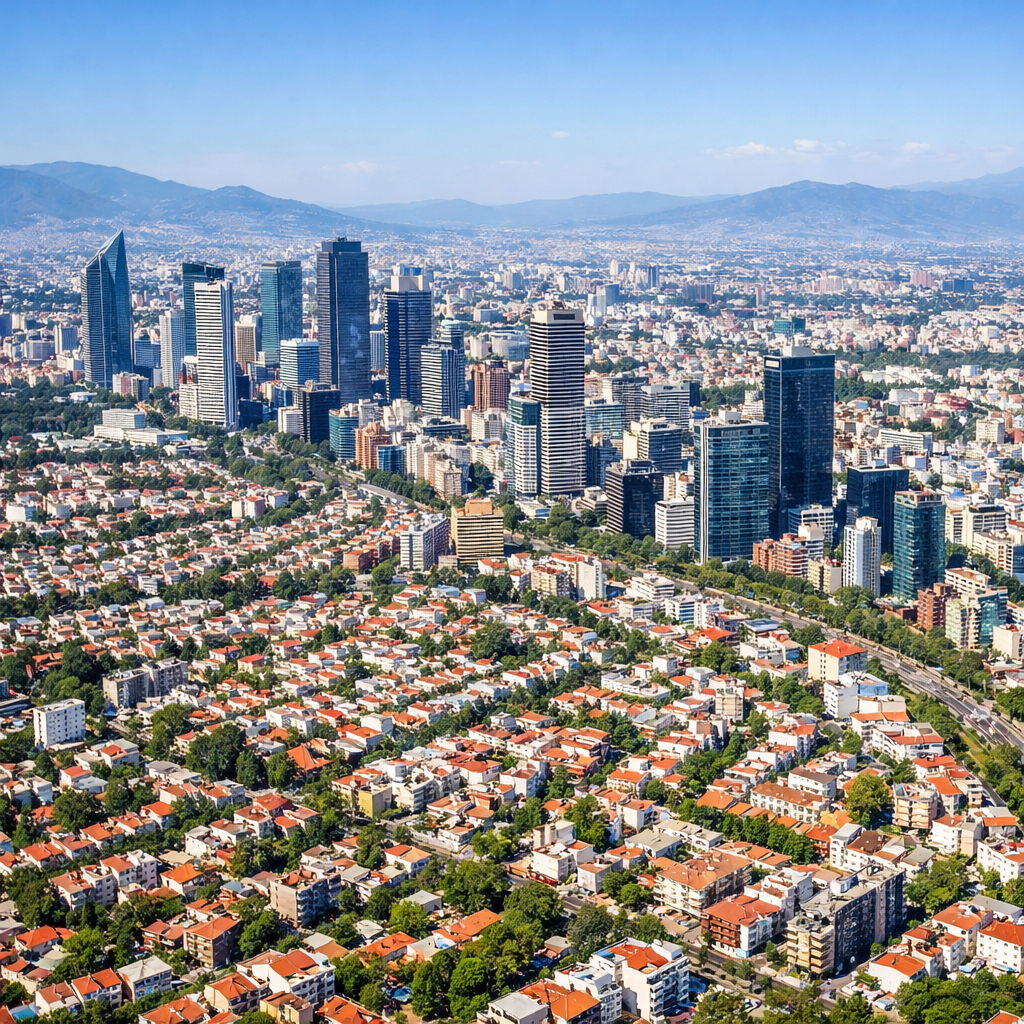
Mexico City’s real estate market is undergoing significant transformations, influenced by rising rents, regulatory changes, and the emergence of new neighborhoods. Understanding these dynamics is crucial for residents and investors alike.
Rising Rental Prices
Recent data indicates a notable increase in rental prices across the city. For instance, the average apartment rent is projected to reach approximately 21,000 pesos per month by the end of 2025, marking an expected increase of about 12% to 15% over 2024. This upward trend is attributed to factors such as increased demand and limited housing supply.
Regulatory Measures
In response to escalating rents and concerns over gentrification, the local government has introduced measures like the ‘Ley de rentas justas, razonables y asequibles’ (Law of Fair, Reasonable, and Affordable Rents). This legislation aims to cap rent increases at the annual inflation rate and establish a public institution to mediate rental relationships, thereby protecting tenants from excessive rent hikes and displacement.
Emerging Neighborhoods
As traditional areas become more expensive, neighborhoods such as Tacubaya, Tabacalera, and Lomas de Sotelo are gaining popularity. These areas offer better connectivity and proximity to cultural hubs, attracting both residents and investors. Consequently, property prices in these neighborhoods have seen significant increases, reflecting their growing appeal.
Impact of Short-Term Rentals
The proliferation of short-term rental platforms has further tightened the housing market. In central boroughs like Cuauhtémoc and Miguel Hidalgo, a substantial portion of properties is listed for short-term stays, reducing the availability of long-term rentals and contributing to rising rents. This trend has prompted discussions on regulating such platforms to balance the interests of tourists and local residents.
Investment Opportunities
Despite challenges, the current market presents opportunities for investors, particularly in vertical housing developments and rental markets. The generational shift, with younger demographics seeking centrally located, well-connected housing, underscores the potential for strategic investments in emerging neighborhoods.
Staying informed about these evolving trends is essential for making informed decisions in Mexico City’s dynamic real estate landscape.