

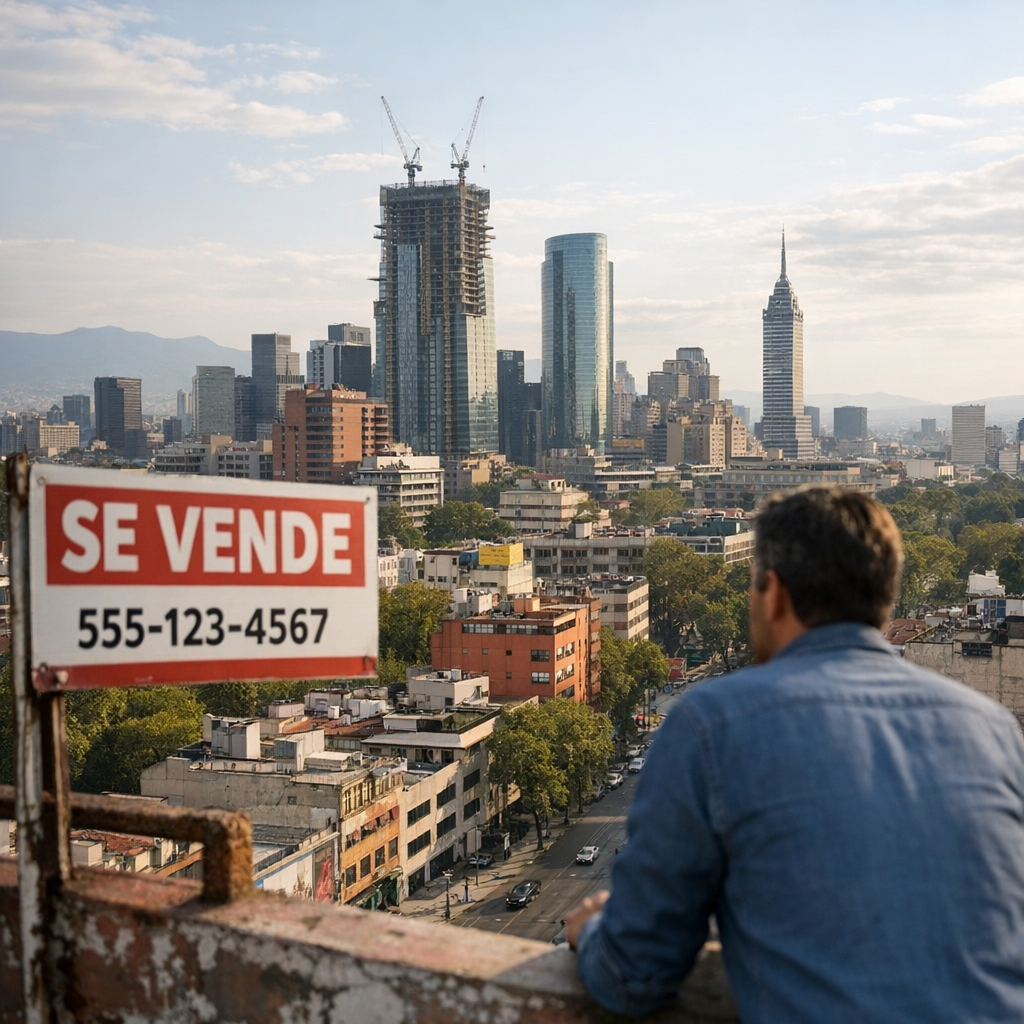
Mexico City’s real estate market is undergoing significant transformations, influenced by rising demand, regulatory changes, and evolving neighborhood dynamics. Understanding these shifts is crucial for residents and investors alike.
Rising Rental Demand and Prices
Recent data indicates a notable increase in rental demand. According to Inmuebles24, 54% of housing searches in Mexico City are for rentals, surpassing the 46% focused on purchases. This trend is largely attributed to economic factors, including rising property prices and challenges in accessing credit. Consequently, rental prices have escalated, with some areas experiencing increases of up to 30% in recent years.
Impact of Short-Term Rentals
The proliferation of short-term rental platforms like Airbnb has significantly impacted the housing market. In central neighborhoods such as Cuauhtémoc and Miguel Hidalgo, short-term rentals constitute 63% of available properties. This surge has contributed to higher rents and reduced availability for long-term residents, leading to concerns about gentrification and displacement.
Regulatory Responses
In response to these challenges, the Mexico City government has introduced measures to control rent increases and protect tenants. The proposed “Ley de rentas justas, razonables y asequibles” aims to cap rent hikes at the annual inflation rate and establish a public institution to mediate landlord-tenant relations. Additionally, plans are underway to regulate short-term rentals and increase the supply of affordable housing.
Development Challenges
Developers face hurdles due to lengthy bureaucratic processes, with some housing projects experiencing delays of up to three years. This bottleneck has led to a 23% annual decrease in available apartments, exacerbating the housing shortage and contributing to rising prices.
Emerging Investment Opportunities
Despite these challenges, certain neighborhoods are emerging as attractive investment opportunities. Areas like Tacubaya, Tabacalera, and Lomas de Sotelo have seen significant rent increases, driven by improved connectivity and infrastructure investments. These developments offer potential for investors seeking to capitalize on the city’s evolving real estate landscape.
Staying informed about these trends is essential for making strategic decisions in Mexico City’s dynamic real estate market.