

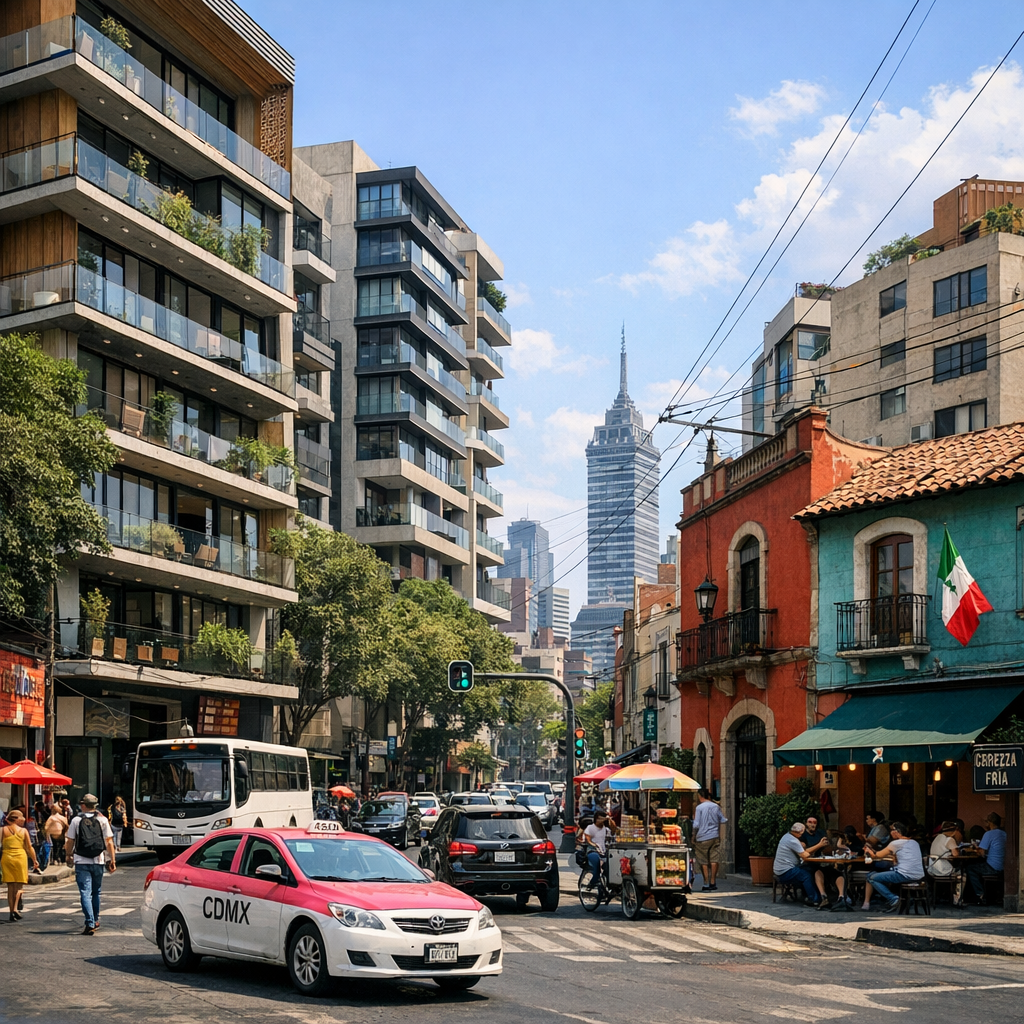
Mexico City’s real estate market is undergoing significant transformations, influenced by rising demand, regulatory changes, and evolving neighborhood dynamics. Understanding these shifts is crucial for both prospective renters and buyers.
Rising Rental Demand and Prices
Recent data indicates a substantial increase in rental demand. According to Inmuebles24, 54% of housing searches in Mexico City are now focused on rentals, surpassing the interest in property purchases. This surge is attributed to economic factors, including the rising cost of homeownership and challenges in accessing credit. Consequently, rental prices have escalated, with central neighborhoods experiencing increases of up to 30% in recent years.
Regulatory Measures to Curb Gentrification
In response to escalating rents and concerns over gentrification, the local government has introduced the “Ley de rentas justas, razonables y asequibles” (Law of Fair, Reasonable, and Affordable Rents). This legislation aims to limit rent increases to the annual inflation rate, establish a constitutional right to affordable housing, and create a public institution to mediate landlord-tenant relations. Additionally, it seeks to expand the availability of social housing and protect residents from forced displacement.
Emerging Neighborhoods and Investment Opportunities
As traditional areas become more expensive, attention is shifting to emerging neighborhoods. Tacubaya, Tabacalera, and Lomas de Sotelo have seen significant rent increases due to their connectivity, proximity to cultural hubs, and infrastructure investments. These areas present new opportunities for both residents seeking affordable options and investors looking for growth potential.
Challenges in Housing Supply
The city faces a housing shortage, with available inventory contracting by 23% annually as of the third quarter of 2025. Lengthy administrative processes, sometimes extending up to three years, have hindered new housing developments, exacerbating the supply-demand imbalance and contributing to rising prices.
Impact of Short-Term Rentals
The proliferation of short-term rental platforms like Airbnb has further strained the housing market. Reports indicate that Mexico City loses approximately three rental homes every two days to Airbnb listings, reducing the availability of long-term rentals and driving up prices. This trend has intensified debates over housing accessibility and affordability.
In summary, Mexico City’s real estate landscape is characterized by increasing rental demand, regulatory interventions, emerging investment hotspots, supply constraints, and the influence of short-term rentals. Staying informed about these developments is essential for making informed housing decisions in the city.