

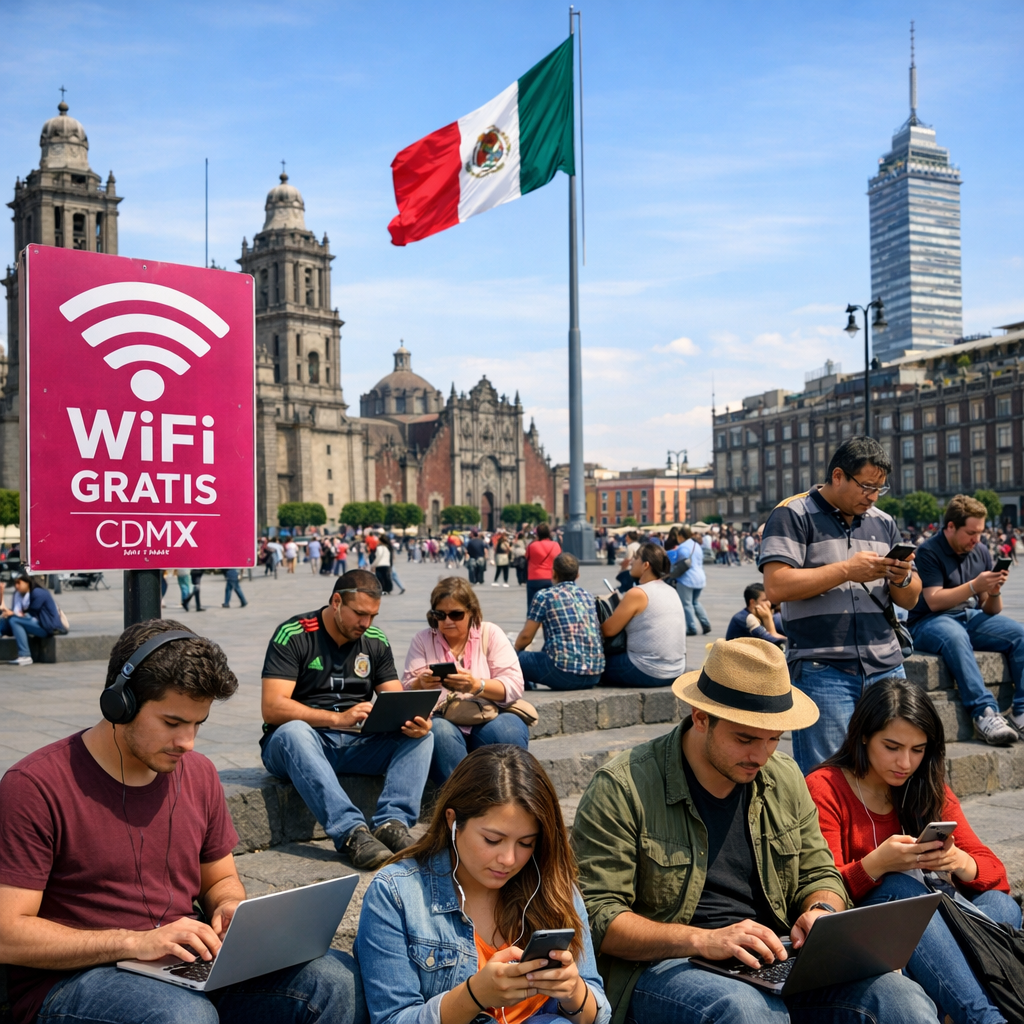
In Mexico City, technology isn’t just a novelty—it’s increasingly a practical part of daily life. From finding employment via chatbots to accessing free public Internet, the impact is both visible and growing.
AI Meets Opportunity: Chambas AI and Local Job Searches
One standout venture is Chambas AI, based right here in CDMX. Using a WhatsApp-chatbot interface, this startup helps people find nearby jobs and drafts resumes instantly when users submit their relevant details. It’s also committed to inclusion—urging employers to open opportunities to people who are senior, disabled, or migrants—making job access more equitable in real time.
Building a Smart City Through Connectivity
Connectivity projects in CDMX have also gone beyond convenience. The city’s “Internet for All” program has established over 35,000 free Wi-Fi hotspots, providing access in plazas, public hospitals, libraries and community centers. These aren’t just perfunctory offerings—they underpin public safety programs like Sendero Seguro and are woven into broader city infrastructure through the C5 command center.
Finally, the Smart City initiative promotes connectivity with speed: there are thousands of public posts offering 100+ Mbps Internet in plazas, hospitals and PILARES (community centers) around the city. Such widespread access blurs traditional urban divides and opens doors to education, business, and civic participation.
AI Startups and Early-Stage Innovation
Mexico City is home to several promising AI startups to watch. Names like Aviva, Baubap, CRABI, R2, Finnecto and BeGo are creating solutions across fields like finance, recruiting and sustainability. These ventures are helping to shape how tech integrates into what people do every day—whether by improving financial tools, automating tasks, or helping with digital hiring tools.
Challenges and What Comes Next
As integration deepens, challenges persist. Digital literacy remains uneven—while many citizens use the Internet, not everyone has the same comfort level with AI tools. Also, access doesn’t always mean full access; quality, speed, and privacy vary. Ensuring responsible tech use, especially among kids and vulnerable groups, is increasingly part of public discussion.
Looking Ahead
To keep tech going from novelty to necessity, collaboration across sectors is key—startup founders, public agencies, community organizations and citizens. Policies are forming around digital rights, algorithmic fairness, and inclusive access. New tools like AI agents built into the city’s infrastructure—prompts for public planning, transit, safety—are being tested now in pilot phases.
At the end of the day, the goal isn’t a city full of flashy gadgets—it’s one where digital tools help you live better, move easier, access work more fairly, and feel more connected. And in CDMX, that future is under construction.