

Mexico City, home to over 22 million residents, is grappling with a significant water crisis. The city’s rapid subsidence, sinking up to 10 inches annually, exacerbates the challenge, leading to infrastructure damage and water supply disruptions. This subsidence is primarily due to excessive groundwater extraction, which depletes aquifers and causes the ground to settle unevenly.
Compounding the issue, the city’s water infrastructure struggles to meet the demands of its growing population. Many communities, especially in marginalized areas, experience inconsistent water access, forcing residents to rely on water deliveries or alternative sources. For instance, in Iztapalapa, the most populous area in the city, there is a water supply deficit of 35%, resulting in women investing between one and four hours a week hauling water to their homes.
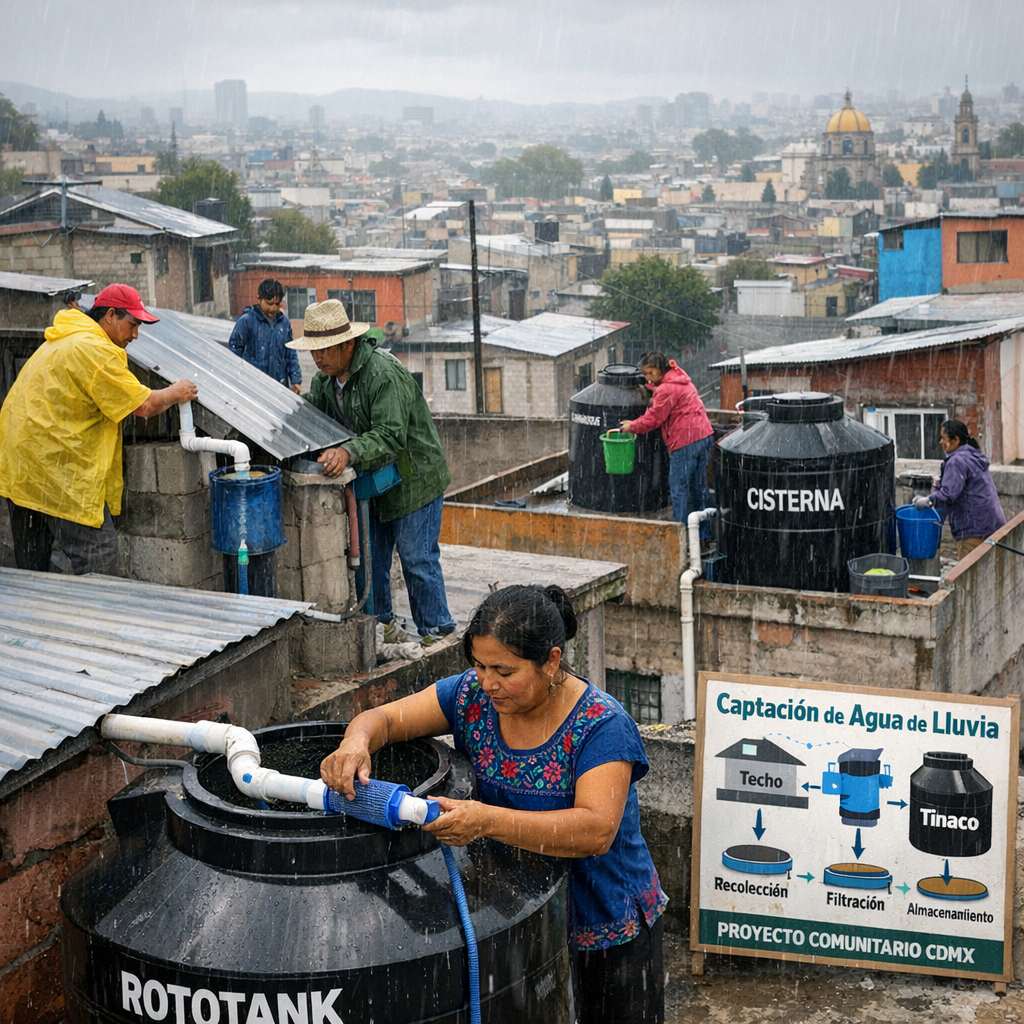
In response, both governmental and community-driven initiatives have emerged. The ‘Rain Harvest’ program, implemented in 2019, aims to alleviate water shortages by installing rainwater harvesting systems in homes within the most affected areas. This initiative not only provides an alternative water source but also empowers communities to manage their water needs more sustainably.
However, challenges persist. The city’s complex geography, combined with aging infrastructure and climate change impacts, necessitates comprehensive strategies. Experts advocate for integrated water management plans that include infrastructure upgrades, sustainable groundwater use, and community engagement to ensure equitable water distribution.
As Mexico City continues to confront these water challenges, the resilience and innovation of its communities remain crucial. Collaborative efforts between residents, authorities, and organizations are essential to develop sustainable solutions that secure the city’s water future.