

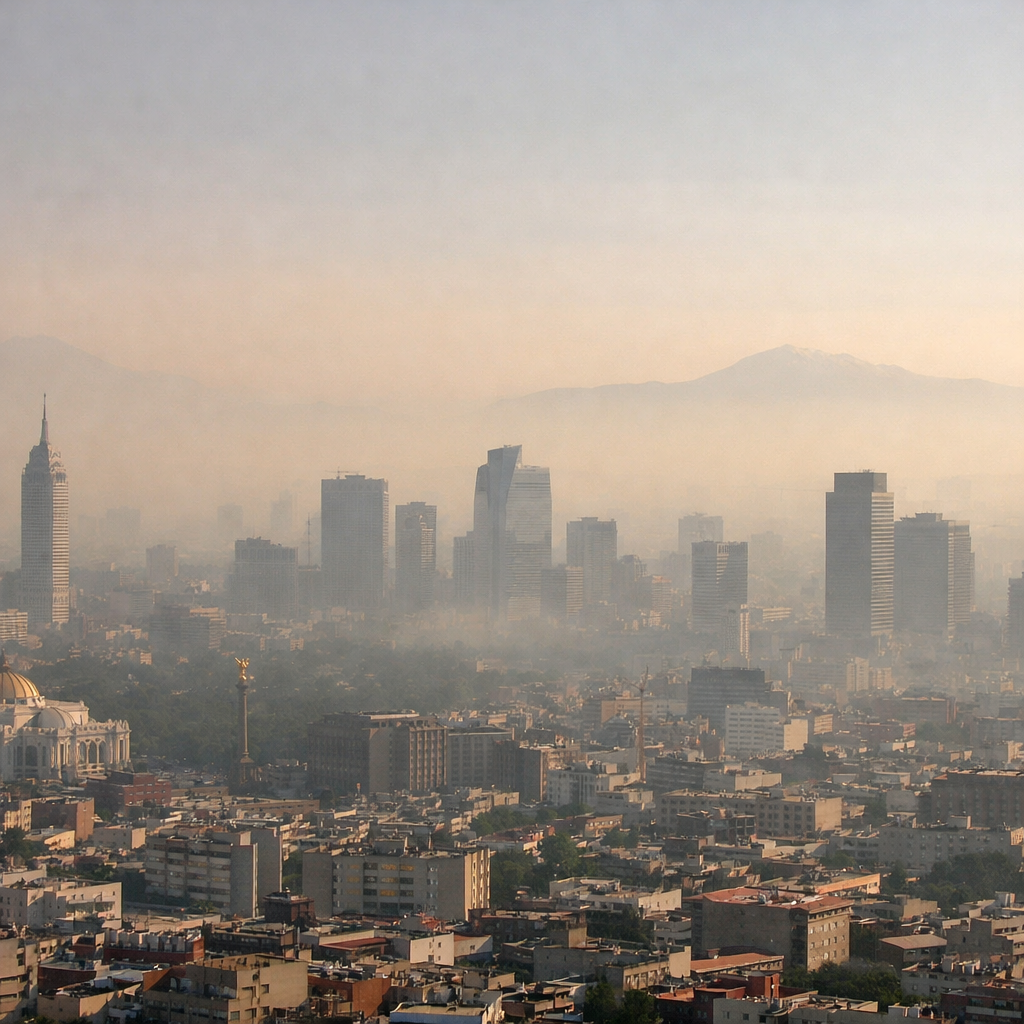
Mexico City, nestled in the Valley of Mexico at an altitude of approximately 7,350 feet (2,240 meters) above sea level, faces unique challenges in managing air quality. The city’s geography, characterized by surrounding mountains, creates a natural basin that can trap pollutants, leading to elevated levels of air contamination.
Primary Contributors to Air Pollution
Several factors contribute to the city’s air pollution:
- Vehicular Emissions: The high number of vehicles, many of which are older models with less efficient combustion systems, release significant amounts of pollutants into the atmosphere.
- Industrial Activities: Rapid industrial growth has led to increased emissions from factories and manufacturing plants.
- Geographical Constraints: The surrounding mountains limit air circulation, causing pollutants to accumulate over the city.
Health Impacts
Exposure to air pollutants such as ozone, carbon monoxide, sulfur dioxide, and particulate matter can lead to various health issues, including respiratory problems, cardiovascular diseases, and increased mortality rates. Vulnerable populations, such as children, the elderly, and individuals with pre-existing health conditions, are particularly at risk.
Mitigation Strategies
To combat air pollution, Mexico City has implemented several measures:
- Hoy No Circula Program: This initiative restricts vehicle use on certain days based on license plate numbers to reduce traffic emissions.
- Promotion of Public Transportation: Expansion and improvement of public transit options aim to decrease reliance on private vehicles.
- Emission Standards: Implementation of stricter emission standards for vehicles and industries to limit pollutant output.
- Green Spaces: Development of parks and green areas to help absorb pollutants and improve air quality.
These efforts have led to measurable improvements in air quality over the past decades. However, continuous monitoring and adaptation of strategies are essential to address ongoing challenges and protect public health.
Residents are encouraged to stay informed about air quality levels and participate in initiatives aimed at reducing pollution, such as using public transportation, carpooling, and supporting policies that promote environmental sustainability.