

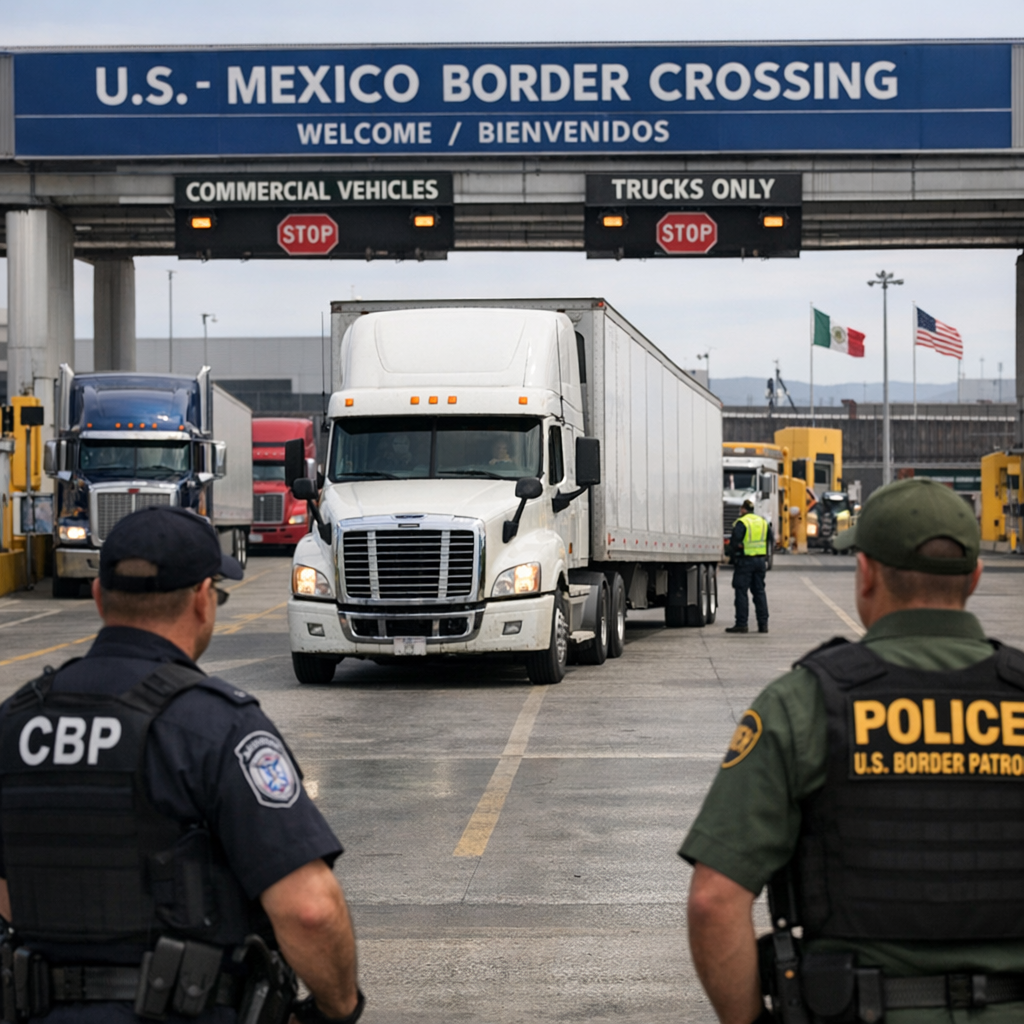
The relationship between Mexico and the United States is multifaceted, encompassing trade, security, and diplomatic interactions. Recent developments have highlighted both the strengths and challenges inherent in this partnership.
Trade Relations: Strengths and Negotiations
Trade remains a cornerstone of U.S.-Mexico relations. In February 2026, bilateral trade reached $73.2 billion, underscoring the resilience of cross-border supply chains. Mexico has solidified its position as the United States’ top trading partner, surpassing China and Canada. This is attributed to the United States-Mexico-Canada Agreement (USMCA), which has facilitated robust trade flows despite global economic uncertainties.
However, the upcoming review of the USMCA presents challenges. The United States has expressed concerns over offshoring and rules of origin, indicating a desire to renegotiate certain aspects of the agreement. U.S. Trade Representative Jamieson Greer emphasized the need to address these issues to prevent transshipment and ensure compliance with trade rules. Mexico, in response, has indicated a preference for a prolonged review process to navigate these complexities effectively.
Security Concerns and Diplomatic Tensions
Security issues have introduced tensions into the bilateral relationship. The U.S. Department of Justice’s indictment of the governor of Sinaloa and other officials for alleged ties to drug cartels has strained diplomatic relations. Mexican President Claudia Sheinbaum has firmly rejected these allegations, emphasizing Mexico’s sovereignty and the importance of mutual respect in addressing security challenges.
Additionally, the construction of the U.S.-Mexico border wall has raised concerns among Indigenous communities. Leaders from the Kumeyaay and Tohono O’odham nations have reported the desecration of sacred sites due to construction activities, highlighting the need for cultural sensitivity and consultation in border security measures.
Looking Ahead: Cooperation and Challenges
Despite these challenges, both nations recognize the importance of cooperation. Initiatives to develop coordinated trade policies on critical minerals and efforts to address shared security concerns underscore the potential for collaboration. However, navigating the complexities of trade negotiations, security issues, and cultural sensitivities will require ongoing dialogue and mutual respect.
As Mexico and the United States continue to address these multifaceted issues, the resilience of their relationship will be tested. The outcomes of trade negotiations and security collaborations will significantly impact the economic and social well-being of both nations, emphasizing the need for a balanced and cooperative approach.